
“Tobacco was sacred long before it was a commodity, and a commodity long before it was a habit.”
Origins
The long road from sacred leaf to global commodity
Smoking is older than most of the world’s living religions. Archaeological evidence places tobacco use in the Americas at least several thousand years back, where indigenous peoples burned the dried leaf in pipes for prayer, healing, and diplomacy. It was medicine, offering, and social contract in a single plume of smoke. When Columbus’s crew returned to Europe in the late 15th century carrying dried leaves given to them by the Taino, they brought back something they did not fully understand, and Europe adopted it faster than almost any other New World crop.
By the 1600s tobacco was traded on every major sea route. Portuguese and Spanish ships pushed it into Africa, India, and the Ottoman world. Coffeehouses in Istanbul, Cairo, and later the Gulf ports built entire social rituals around the pipe and the water pipe. According to the recorded history of tobaccowithin roughly 150 years of first contact the leaf had reached almost every inhabited continent, a spread rate very few goods have matched.
- Pre-1492: ceremonial and medicinal use across the Americas.
- 1500s: European sailors, missionaries, and traders spread it across the Atlantic and into the Ottoman Empire.
- 1600s, 1700s: tobacco becomes a colonial cash crop, taxed heavily and shipped worldwide.
- 1800s: hand-rolled cigarettes gain popularity in cities from Seville to Cairo.
Status
A symbol before it was a habit
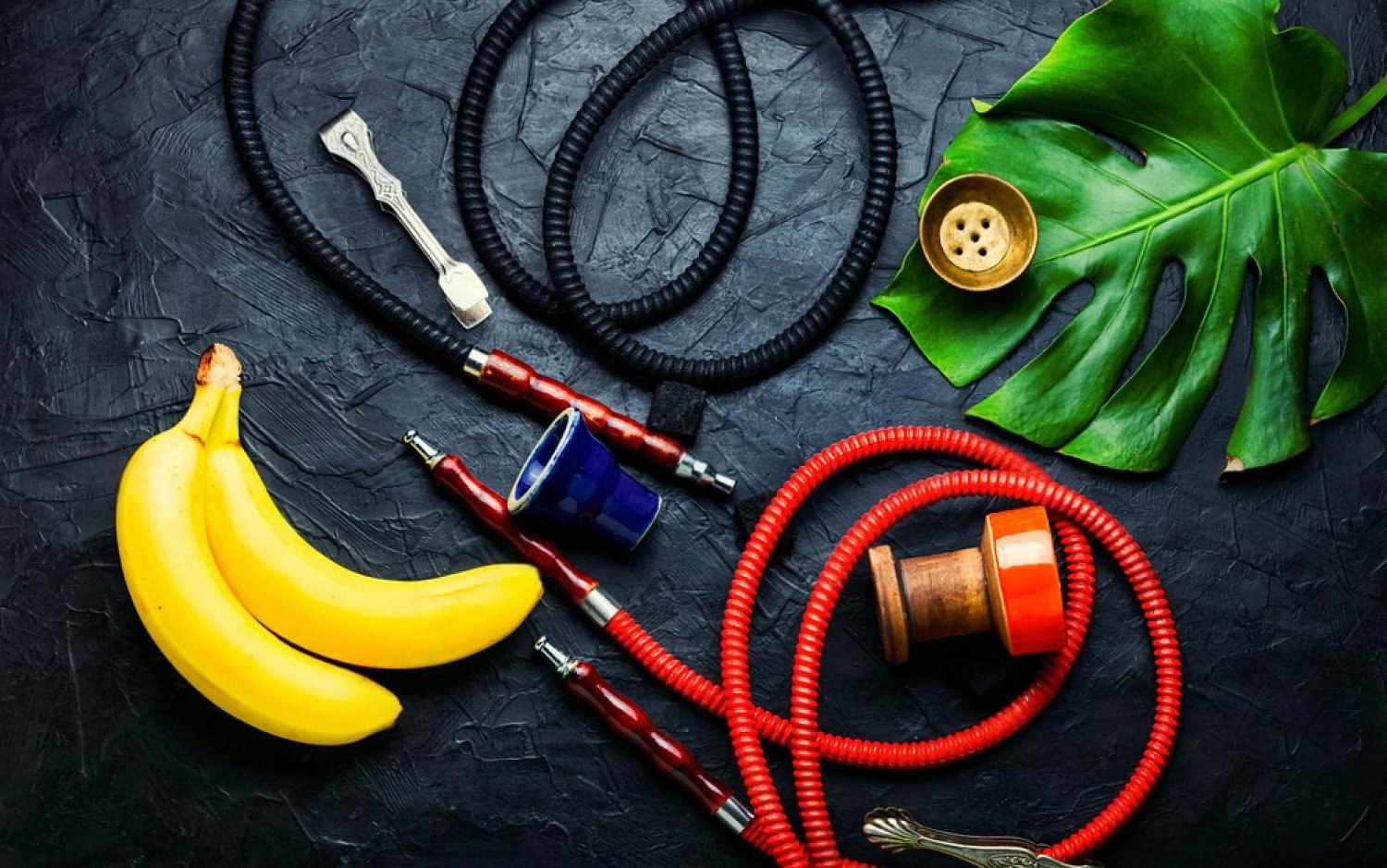
For a long stretch of European and Middle Eastern history, tobacco was a luxury. Ottoman sultans, English aristocrats, and Mughal courtiers used ornate pipes and long-stemmed shishas that signalled wealth as clearly as jewellery. Cigars from Havana became a merchant class marker in the 19th century. Private smoking rooms in London clubs and Paris salons functioned as networking spaces where deals, marriages, and careers were shaped.
The point was rarely nicotine on its own. Smoking communicated something: patience, leisure, refinement, belonging. In parts of the Arabian Peninsula, offering shisha to a guest was, and in some homes still is, an act of hospitality with centuries behind it. That layer of meaning is worth remembering when we look at today’s market, because consumer behaviour rarely leaves its history behind entirely.
The industrial cigarette and the century it defined
The Bonsack rolling machine, patented in 1880, changed everything. One machine could produce as many cigarettes in a day as dozens of skilled hand-rollers. Prices collapsed, and smoking moved from a status ritual to an everyday act performed by factory workers, soldiers, and secretaries. Two world wars accelerated the shift: cigarettes were included in military rations, and returning soldiers carried the habit home.
By the mid-20th century, global cigarette consumption reached staggering numbers. Advertising did the rest, associating brands with cowboys, film stars, athletes, and doctors. It is hard to overstate how ordinary smoking looked in 1960: on planes, in offices, in hospitals, at dinner tables. The cultural reversal that followed took decades.
The 1964 US Surgeon General’s report was a turning point, followed by warning labels, ad restrictions, and eventually indoor bans across most of the world. According to the World Health Organizationadult smoking rates have declined significantly in most high-income countries since the 1980s, though the total number of smokers globally remains very high.
That reinvention is exactly what the last fifteen years have made obvious. Consumers did not simply quit, many of them switched.
The full spectrum of nicotine today
Walk into any specialist shop in Dubai or Abu Dhabi, or browse a licensed online store, and the range on offer is wider than at any point in history. Traditional products still sell well, but the shelf has expanded dramatically.
- Combustibles: factory cigarettes, cigars, pipe tobacco, rolling tobacco, and shisha remain rooted in daily and social use.
- Smokeless tobacco: nicotine pouches have grown quickly, especially with adult users who want a discreet format.
- Heat-not-burn devices: heated tobacco sticks that produce vapour rather than smoke.
- Vapes: disposable devices, refillable pod systems, and higher-capacity mods, each with distinct user profiles.
The shopping behaviour has changed with the products. Adult buyers in the UAE increasingly compare specifications, flavour notes, and battery life the same way they would compare headphones. Many also buy cigarette online in the UAE from licensed retailers, valuing verified stock and home delivery over a trip to the corner shop.
Why vape products fit the modern consumer
The rise of vaping is not really about one device beating another. It reflects broader shifts in how people shop and what they expect from any product category. Convenience, portability, consistent flavour, and clean design matter to adult consumers who grew up with smartphones and same-day delivery.
- Compact formats that fit a pocket or handbag without odour transfer.
- A wide range of nicotine strengths for adult users making measured choices.
- Rechargeable batteries and refillable pods that suit sustainability-minded buyers.
- Flavour consistency from device to device, without the variability of hand-rolled products.
- Straightforward online purchasing from licensed UAE retailers, with age verification at checkout.
Brands such as Infuse Vape sit inside that broader shift, offering adult consumers an alternative format that fits modern shopping habits. This is a category story, not a health story, and the smart retailers treat it that way.

Cultural differences, with the UAE in focus
Attitudes to smoking vary sharply by region, and the UAE occupies an interesting position on that map.
Middle East
Shisha remains socially central, especially in cafes and family gatherings. Cigarette use is common but subject to indoor bans and clear excise taxes. Vape products are regulated and sold through licensed retailers.
Europe
Cigarette rates have dropped steadily. Vaping is treated in some markets as a harm-reduction tool, in others with heavier restriction. Menthol and disposables face active regulation.
Asia
Wide variation, from Japan’s heat-not-burn dominance to strict bans on vaping in several countries. Traditional smoking rates in some markets remain among the world’s highest.
North America
Combustible use is at historic lows. Pod systems, disposables, and nicotine pouches lead category growth, with active debate on flavour policy.
Where the UAE market is heading
A few consumer patterns stand out clearly in the Emirates. Adult buyers increasingly order nicotine products online, both for the wider selection and for the delivery convenience that Dubai and Abu Dhabi shoppers have come to expect from other categories. Disposable vapes and nicotine pouches see strong interest, and buyers show a clear preference for well-known international brands with verified supply chains.
The next five years will likely bring smarter devices, tighter regulatory clarity, more sustainable packaging, and even faster fulfilment. What will not change is the underlying pattern that this article has traced from the beginning: smoking is a cultural act as much as a chemical one, and each generation redraws it in its own image.
Frequently asked questions
How old is smoking as a human practice?
Archaeological and historical evidence suggests tobacco was used ceremonially in the Americas for at least a few thousand years before European contact. Global spread began in earnest after the late 15th century, when Spanish and Portuguese sailors carried the leaf back across the Atlantic.
Why did smoking shift from a status symbol to a mass-market habit?
Industrial rolling machines in the 1880s cut cigarette prices dramatically, and two world wars distributed rations of cigarettes to millions of soldiers. By the mid-20th century, aggressive advertising and low prices had turned what was once a luxury into an everyday product.
What is driving adult consumers toward vapes and pouches?
The main drivers are convenience, portability, flavour consistency, and modern device design. Adult buyers also value the ability to compare products online and receive verified stock quickly, which suits the way most other retail shopping now works in the UAE.
Is buying nicotine products online legal in the UAE?
Yes, provided the retailer is licensed and enforces age verification at checkout. Licensed online stores in the UAE stock regulated brands, provide clear product information, and deliver through approved channels. Buyers should always confirm the retailer is properly authorised before purchasing.
How does UAE smoking culture differ from Europe or Asia?
The UAE retains a strong social role for shisha, alongside a fast-growing modern nicotine market that includes vapes and pouches. Europe leans further into declining combustible use, while parts of Asia range from very high traditional smoking rates to strict vape restrictions.
What might the next decade of nicotine products look like?
Expect smarter devices with app connectivity, more attention to sustainable materials, tighter but clearer regulation, and continued growth in online retail with same-day delivery. Consumer expectations set in other categories, especially electronics and grocery, will keep shaping this one.